
SAP Implementation Services in India: Complete Guide for Businesses in 2026
SAP implementation has become an important step for businesses that want to modernize operations, connect departments, improve data visibility, and make faster business decisions. From finance and procurement to supply chain, manufacturing, human resources, and customer management, SAP can bring critical business processes together on an integrated enterprise platform.
For companies in India, choosing the right SAP solution and implementation partner is essential. A successful implementation is not simply about installing software—it involves business process analysis, system configuration, data migration, integration, testing, employee training, change management, and ongoing support.
This comprehensive guide explains SAP implementation services in India, their benefits, the implementation process, costs, challenges, and how businesses can choose the right SAP partner.
Understanding SAP Implementation Services
What Is SAP?
SAP stands for Systems, Applications, and Products in Data Processing. SAP develops enterprise software that helps organizations manage and integrate important business functions through centralized systems.
SAP solutions can support areas such as:
-
Finance and accounting
-
Sales and distribution
-
Procurement
-
Inventory management
-
Supply chain management
-
Manufacturing
-
Human resources
-
Customer relationship management
-
Analytics and reporting
-
Enterprise asset management
One of SAP’s major strengths is its ability to connect different departments and business processes, allowing organizations to work with more consistent and accessible information.
What Are SAP Implementation Services?
SAP implementation services involve planning, configuring, deploying, integrating, and supporting SAP software according to an organization’s business requirements.
A professional SAP implementation partner typically helps with:
-
Business requirement analysis
-
SAP solution selection
-
Business process mapping
-
System configuration
-
Customization where required
-
Data migration
-
Third-party integrations
-
Testing
-
User training
-
Go-live planning
-
Post-implementation support
The objective is to align SAP technology with business processes rather than simply implementing software without considering how the organization operates.
Why Businesses in India Are Investing in SAP
Indian businesses are operating in increasingly competitive and digitally connected markets. Companies need accurate information, efficient processes, stronger compliance, and better coordination between departments.
SAP can help organizations address these requirements by providing an integrated enterprise technology environment.
Improved Operational Efficiency
SAP can automate repetitive business processes and reduce dependence on manual data entry. Employees can spend more time on analysis, customer service, planning, and other higher-value activities.
Centralized Business Data
When departments operate using disconnected systems, businesses may face duplicate records, inconsistent information, and reporting delays. SAP can bring important business data into a connected environment, improving visibility across the organization.
Faster Reporting and Decision-Making
Integrated data can help management teams access business information more efficiently. Dashboards, reports, analytics, and real-time or near-real-time information can support better operational and strategic decisions.
Better Process Control
SAP can standardize business processes across departments and locations. This can help organizations establish clearer workflows, approvals, controls, and responsibilities.
Scalability
Businesses can select SAP solutions based on their current requirements and expand their technology environment as their operations grow.
Which Industries Can Benefit from SAP Implementation?
SAP is used across a wide range of industries because its solutions can support different business processes.
Manufacturing
Manufacturing companies can use SAP to manage production planning, procurement, inventory, quality management, maintenance, and supply chain processes.
Retail and E-Commerce
Retail organizations can use SAP to manage purchasing, inventory, sales, customer information, finance, and supply chain operations.
Financial Services
Organizations in financial services can use enterprise solutions to improve financial management, reporting, compliance processes, and operational visibility.
Healthcare
Healthcare organizations can use integrated enterprise systems to manage finance, procurement, workforce processes, supply chains, and other operational requirements.
Logistics and Supply Chain
SAP can help organizations manage procurement, inventory, transportation, warehouse processes, suppliers, and logistics operations.
Professional and Business Services
Service organizations can use SAP to manage financials, projects, resources, customers, billing, and operational processes.
SAP Solutions for Different Business Sizes
There is no single SAP solution that is ideal for every organization. The right choice depends on business size, industry, processes, budget, existing systems, and growth plans.
| Business Type | Possible SAP Approach | Typical Focus |
|---|---|---|
| Small and growing businesses | SAP Business One | Finance, sales, inventory, purchasing, CRM |
| Mid-sized organizations | SAP cloud ERP solutions | Integrated business management and scalability |
| Large enterprises | SAP S/4HANA and related solutions | Complex enterprise processes, analytics, supply chain and finance |
| Organizations with existing SAP landscapes | SAP modernization or migration | Upgrades, migration, integration and optimization |
The appropriate solution should be determined through a detailed business and technical assessment rather than business size alone.
SAP S/4HANA and Modern ERP Transformation
SAP S/4HANA is a major component of SAP’s modern ERP strategy. It is designed to support integrated business processes, advanced analytics, automation, and modern user experiences.
Organizations considering an SAP transformation may evaluate areas such as:
-
SAP S/4HANA
-
SAP Fiori
-
SAP Business Technology Platform
-
SAP Analytics capabilities
-
SAP integration technologies
-
Cloud deployment options
-
Industry-specific SAP solutions
For businesses currently operating older SAP environments, migration and modernization can become an important part of their long-term ERP strategy.
SAP Implementation Process: Step-by-Step
A successful SAP implementation requires structured planning and execution.
1. Business Assessment
The first stage is understanding the organization’s existing systems, business processes, challenges, objectives, and future requirements.
The implementation team may examine:
-
Existing ERP systems
-
Business workflows
-
Data structures
-
Integration requirements
-
Reporting needs
-
Compliance requirements
-
Future growth plans
2. Requirement Analysis
Business requirements are documented and mapped to SAP functionality.
The goal is to determine which processes can use standard SAP functionality and where configuration, integration, or carefully justified customization may be required.
3. Solution and Project Planning
The implementation team defines the project scope, timeline, responsibilities, resources, milestones, risks, and expected outcomes.
A clear implementation roadmap helps reduce confusion and scope creep during the project.
4. SAP Configuration
SAP is configured according to approved business requirements.
Depending on the project, configuration may cover areas such as:
-
Finance
-
Sales
-
Materials management
-
Production
-
Procurement
-
Supply chain
-
Human resources
-
Reporting
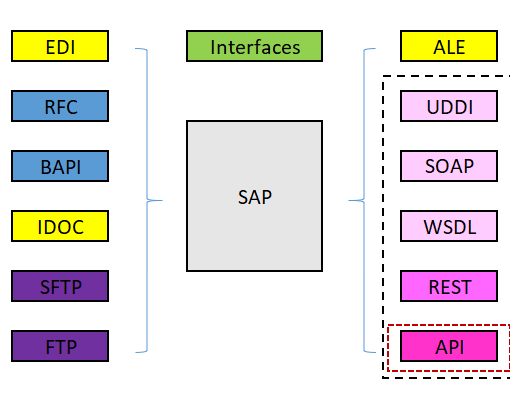
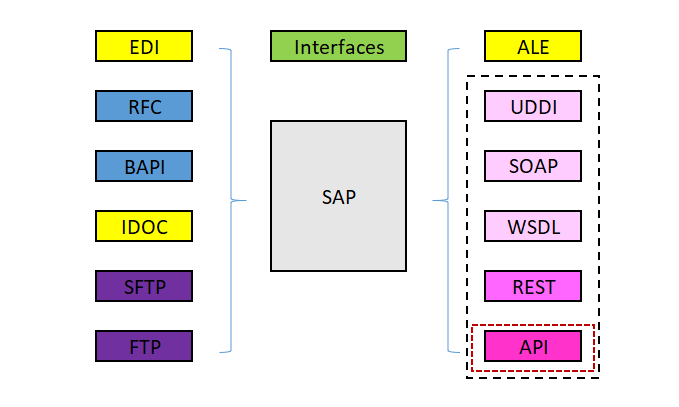
5. Integration
SAP may need to communicate with other applications used by the organization.
Integration can involve:
-
CRM platforms
-
E-commerce systems
-
Banking systems
-
Payroll applications
-
Warehouse management systems
-
Supplier platforms
-
Legacy applications
-
External APIs
6. Data Migration
Existing business data must be analyzed, cleaned, transformed, validated, and migrated into the new environment.
Data migration is one of the most important areas of an SAP implementation because poor-quality data can affect reporting and business operations after go-live.
7. Testing
The system should undergo multiple testing stages before production deployment.
Testing can include:
-
Unit testing
-
Integration testing
-
User acceptance testing
-
Performance testing
-
Security testing
-
Data validation
8. User Training
Employees need appropriate training before the new system goes live.
Training should focus on the actual processes employees will perform rather than only explaining software features.
9. Go-Live
After successful testing and preparation, the SAP system is moved into production.
A detailed go-live plan should include:
-
Data migration
-
User access
-
System validation
-
Business readiness
-
Issue escalation
-
Support availability
10. Post-Go-Live Support
Implementation does not end on the go-live date.
Post-go-live support helps organizations identify and resolve issues, optimize processes, support users, and stabilize the new system.
Common SAP Implementation Challenges
SAP implementation can deliver significant benefits, but businesses should understand the potential challenges.
Inadequate Planning
Starting an ERP implementation without clearly defined objectives can result in delays, budget problems, and changing requirements.
Poor Data Quality
Incorrect, duplicate, or incomplete data can create problems during migration and after deployment.
Excessive Customization
Over-customizing the system can increase complexity, maintenance requirements, and long-term costs.
Employee Resistance
Employees may hesitate to adopt new processes or systems. Change management and practical training are therefore important parts of the project.
Integration Problems
Businesses often use multiple applications. Poorly planned integrations can affect data flow and business continuity.
Weak Project Governance
Clear responsibilities, decision-making processes, documentation, and progress monitoring are necessary for large SAP projects.
How Much Does SAP Implementation Cost in India?
There is no fixed price for SAP implementation because project costs depend on several variables.
Important cost factors include:
-
SAP product selected
-
Number of users
-
Number of modules
-
Business complexity
-
Implementation scope
-
Cloud or other deployment requirements
-
Data migration requirements
-
Integration requirements
-
Custom development
-
Training
-
Support and maintenance
-
Implementation partner fees
Instead of relying on a generic price estimate, businesses should request a detailed project assessment and implementation proposal.
How Long Does SAP Implementation Take?
The implementation timeline varies considerably from project to project.
A smaller and more standardized deployment may take significantly less time than a large enterprise transformation involving multiple locations, business units, integrations, and complex data migration.
The timeline generally depends on:
-
Business size and complexity
-
Number of SAP modules
-
Number of users and locations
-
Data migration complexity
-
Integration requirements
-
Customization
-
Testing requirements
-
Employee training
-
Decision-making speed
-
Project governance
A realistic implementation plan should therefore be created after assessing the actual business requirements.
In-House Team vs SAP Implementation Partner
Businesses can choose between implementing SAP primarily with internal resources or working with an external implementation partner.
| Factor | In-House Team | SAP Implementation Partner |
|---|---|---|
| Internal control | High | Shared |
| SAP implementation experience | Depends on team | Usually broader |
| Initial resource requirement | Can be high | Partner provides resources |
| Industry expertise | Internal knowledge | Depends on partner |
| Implementation support | Internal | Dedicated consulting team |
| Training support | Internal | Can be included |
| Post-go-live support | Internal | Can be included |
For organizations without sufficient SAP implementation expertise, working with an experienced partner can reduce implementation risks and provide access to specialized skills.
How to Choose the Right SAP Implementation Partner in India
Selecting the right partner is one of the most important decisions in an SAP project.
Before making a decision, evaluate:
SAP Expertise
Check whether the partner has experience with the SAP products and modules required for your project.
Industry Experience
A partner familiar with your industry may understand common processes, regulatory requirements, and operational challenges more effectively.
Implementation Track Record
Ask for relevant project experience, case studies, references, and examples of completed implementations.
Technical Capabilities
Evaluate the partner’s expertise in:
-
SAP S/4HANA
-
SAP Business One where relevant
-
SAP Fiori
-
SAP integrations
-
Data migration
-
Analytics
-
Cloud technologies
-
SAP Business Technology Platform
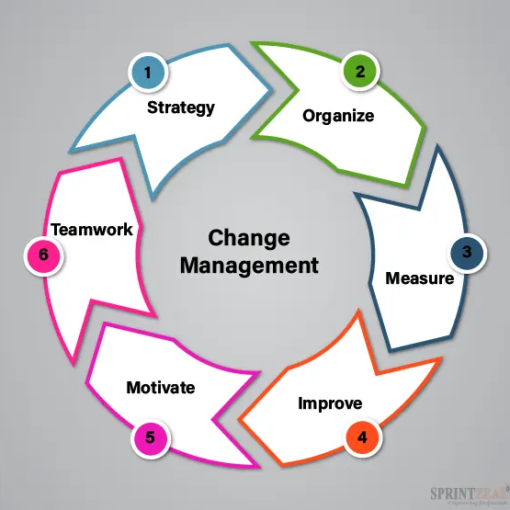
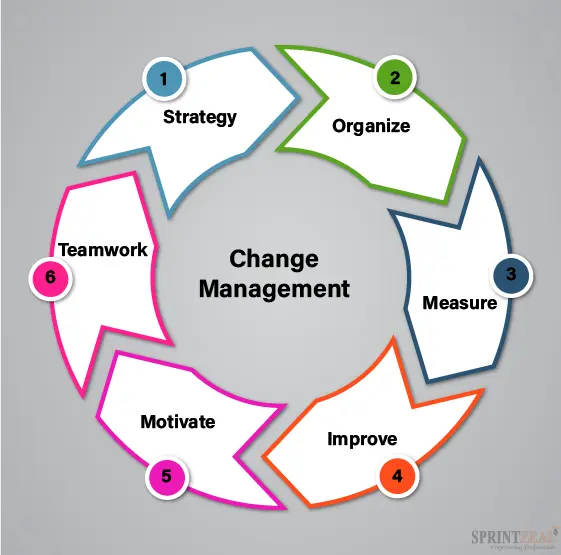
Training and Change Management
A strong implementation partner should understand that successful ERP adoption depends on people as well as technology.
Post-Go-Live Support
Ask about support models, response times, maintenance, system monitoring, upgrades, and future optimization.
SAP Implementation Best Practices
Businesses can improve their chances of successful implementation by following a structured approach.
Define Clear Business Objectives
Do not implement SAP simply because it is a popular ERP platform. Establish measurable business goals first.
Prioritize Standard SAP Functionality
Where practical, use standard functionality rather than introducing unnecessary customization.
Involve Key Stakeholders
Finance, sales, procurement, operations, HR, IT, and management teams should be involved where their processes are affected.
Invest in Data Quality
Clean and validate data before migration instead of transferring poor-quality information into the new system.
Start Change Management Early
Employees should understand why the organization is changing systems, how their roles will be affected, and what support will be provided.
Use a Phased Approach When Appropriate
Depending on the organization’s requirements, a phased implementation can help manage complexity and reduce risk.
Measure Results
After implementation, track KPIs such as process efficiency, reporting speed, data quality, operational costs, user adoption, and productivity.
SAP Implementation and Business ROI
SAP implementation should be viewed as a long-term business transformation rather than only a software expense.
Potential business outcomes can include:
-
Reduced manual work
-
Improved process efficiency
-
Better inventory visibility
-
Faster reporting
-
Improved financial control
-
Better data quality
-
Improved collaboration between departments
-
Stronger process standardization
-
Improved customer service
-
Greater operational scalability
The actual return on investment depends on how effectively the organization implements, adopts, and continuously optimizes the system.
Why SAP Skills Are Valuable for Professionals
SAP transformation also creates opportunities for professionals who want to build careers in enterprise technology.
Popular SAP career paths include:
-
SAP FICO Consultant
-
SAP MM Consultant
-
SAP SD Consultant
-
SAP PP Consultant
-
SAP ABAP Developer
-
SAP BASIS Administrator
-
SAP S/4HANA Consultant
-
SAP Integration Specialist
-
SAP Analytics Professional
-
SAP Project Manager
Professionals can strengthen their career prospects by combining SAP knowledge with business-process understanding, communication skills, analytical thinking, and practical project experience.
Why Choose eLearning Solutions for SAP Training?
For professionals who want to develop SAP skills, practical training can provide a foundation for understanding SAP concepts, business processes, and implementation scenarios.
eLearning Solutions offers training-oriented programs designed to help learners build knowledge across different SAP technologies and modules.
Whether you are a fresher, working professional, or career switcher, selecting training based on your target SAP role and career objectives is important.
Frequently Asked Questions
1. What are SAP implementation services?
SAP implementation services cover the activities required to plan, configure, integrate, test, deploy, and support SAP solutions according to a company’s business requirements.
2. How long does SAP implementation take?
The timeline depends on business size, SAP products, modules, integrations, data migration, customization, testing, and organizational readiness. There is no universal implementation timeline.
3. How much does SAP implementation cost in India?
SAP implementation costs vary according to project scope, users, modules, deployment model, integrations, data migration, customization, training, and support requirements. Businesses should obtain a project-specific estimate.
4. Which businesses can use SAP?
SAP provides solutions for organizations across industries and business sizes. The appropriate SAP product depends on the organization’s requirements, processes, scale, and growth strategy.
5. Is SAP S/4HANA suitable for large enterprises?
SAP S/4HANA is designed to support modern enterprise resource planning and can be suitable for organizations with complex business processes and requirements.
6. Can SAP integrate with other business applications?
Yes. SAP environments can integrate with other enterprise applications and external systems, depending on the technical architecture and integration requirements.
7. What is the biggest challenge in SAP implementation?
There is no single challenge that applies to every project. Common risks include poor planning, inadequate data preparation, excessive customization, weak change management, integration problems, and insufficient user training.
8. Should a business use an SAP implementation partner?
Organizations without sufficient internal SAP expertise may benefit from working with an experienced implementation partner. The right choice depends on the project’s complexity, internal capabilities, budget, and objectives.
9. What SAP skills are in demand?
Skills across SAP S/4HANA, finance, procurement, sales, supply chain, development, integration, analytics, and cloud technologies can be valuable depending on market demand and business requirements.
10. How can I start a career in SAP?
Start by choosing a target SAP module or career path, learn the fundamentals, gain hands-on experience through practical exercises and projects, and build relevant professional skills.
Conclusion
SAP implementation services in India can help businesses move toward more integrated, efficient, and data-driven operations. However, successful implementation requires much more than software deployment.
Organizations need a clear strategy, accurate requirements, reliable data, effective integrations, employee training, change management, structured testing, and strong post-go-live support.
Whether a company is modernizing an existing ERP environment or implementing SAP for the first time, choosing the right solution and implementation partner can significantly influence the project’s success.
For professionals, the growing adoption of SAP and enterprise digital transformation also creates opportunities to build careers across consulting, development, administration, finance, supply chain, analytics, and other technology areas.
With the right implementation strategy and skilled professionals, SAP can become a foundation for operational efficiency, better decision-making, and sustainable business growth.