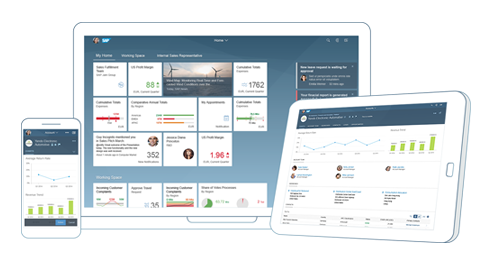

- Are you curious about what SAP is and why everyone seems to be talking about ERP careers these days? Whether you’re a recent graduate, a working professional looking to switch careers, or an employee trying to understand your company’s systems, this beginner-friendly guide is for you.
In a digital economy that’s growing more connected and complex by the day, understanding SAP and ERP systems is quickly becoming a must-have skill. The good news? You don’t need a tech background to get started. All it takes is a willingness to learn and a desire to grow your career—and that journey starts right here.
So, What Is SAP?
SAP stands for Systems, Applications, and Products in Data Processing. It’s one of the world’s leading providers of Enterprise Resource Planning (ERP) software. In simpler terms, SAP helps businesses run better by integrating core processes—like finance, HR, manufacturing, supply chain, and more—into one centralized system.
Think of SAP as the central nervous system of a business. It collects data from various departments and turns it into actionable insights, helping organizations make smarter decisions faster.
Fun Fact: Over 77% of the world’s transaction revenue touches an SAP system in some way. That’s how widespread and essential SAP is in global business.
What Is ERP?
Before we dive deeper into SAP, let’s quickly define ERP. An ERP system is software that manages day-to-day business activities. These include:
- Accounting and finance
- Human resources (HR)
- Procurement and supply chain
- Customer relationship management (CRM)
- Inventory and logistics
ERP systems like SAP help organizations eliminate data silos, streamline operations, and improve efficiency across the board.
Why SAP Skills Are in High Demand
The demand for SAP professionals is growing—and not just in tech companies. Industries like healthcare, automotive, retail, and manufacturing are heavily reliant on SAP. Here’s why learning SAP could be a smart move for your career:
1. Global Reach
SAP is used by companies in over 180 countries. That means your skills are transferable across industries and geographies.
2. High Earning Potential
Roles like SAP Consultant, Business Analyst, and SAP Project Manager come with competitive salaries, often above market averages.
3. Career Versatility
Whether you’re into finance, logistics, human resources, or IT, SAP has specialized modules that align with almost every field.
4. Real Business Impact
Working with SAP means helping organizations solve real problems—like reducing costs, increasing productivity, and enhancing customer service.
Common SAP Career Paths
You don’t have to be a software engineer to work with SAP. Here are some beginner-friendly roles:
✅ SAP End User
Uses SAP software as part of their daily job (e.g., HR staff using SAP to manage employee records).
✅ SAP Business Analyst
Acts as a bridge between the business team and the SAP technical team, analyzing needs and suggesting solutions.
✅ SAP Functional Consultant
Specializes in a specific module like SAP FICO (Finance & Controlling), SAP MM (Materials Management), or SAP HCM (Human Capital Management).
✅ SAP Technical Consultant
Works with the backend—coding, customizing systems, and ensuring everything runs smoothly.
Real-World Applications of SAP
Let’s say a company makes and sells bicycles. Here’s how SAP could streamline their operations:
- Sales & Distribution: Tracks customer orders, delivery schedules, and invoices.
- Materials Management: Manages inventory and supplier data in real time.
- Finance: Automatically records financial transactions, helping with audits and forecasting.
- Human Resources: Tracks employee performance, benefits, and payroll.
Everything is connected. If a customer places an order, SAP checks inventory, initiates shipment, and logs the revenue—all without manual input.
Getting Started: Your First Steps Toward an SAP Career
Feeling motivated? Here are some beginner tips to kick-start your journey:
🔍 1. Explore Free Resources
Start with SAP’s official training portal, blogs, or YouTube tutorials to understand the basics.
🎓 2. Enroll in an SAP Fundamentals Course
A structured course can help you learn faster, especially when it includes hands-on practice and case studies. (Check out our beginner SAP courses [link to site])
💼 3. Learn Business Processes
SAP is all about improving business efficiency. The more you understand how businesses operate, the better you’ll be at applying SAP solutions.
🧪 4. Practice in a Sandbox Environment
Many training programs offer simulated environments where you can practice using SAP without affecting real data.
🤝 5. Join SAP Communities
Engage with online forums like SAP Community Network (SCN) or LinkedIn groups. It’s a great way to ask questions and stay updated on industry trends.
Motivational Takeaway: Your Future Starts Today
Getting into the SAP world might feel overwhelming at first—but every expert was once a beginner. In a world increasingly driven by data, systems like SAP are the backbone of how businesses operate. Learning how they work doesn’t just make you a more valuable employee—it can open doors to high-paying, meaningful work across the globe.
You don’t need to be tech-savvy to start—you just need the curiosity to learn and the motivation to grow.
Ready to Level Up?
Explore our handpicked beginner-to-advanced SAP courses and take the first step toward a future-proof career. Whether you’re learning for personal growth or to bring value to your organization, there’s a path waiting for you.
👉 Start Learning Now – Browse Our SAP Career Courses
YOU MAY BE INTERESTED IN
How to Debug any Work Item in SAP Workflow?