- The world of enterprise applications is changing fast, and SAP is at the center of this transformation. With the rise of SAP S/4HANA and cloud-first strategies, developers need tools and frameworks that are modern, scalable, and future-ready. That’s where ABAP RESTful Application Programming Model (RAP) comes in.
For beginners, RAP might sound like yet another acronym in the SAP universe, but it’s much more than that—it’s the future of ABAP development. Whether you’re an aspiring SAP developer, a business analyst, or a company employee curious about new trends, this blog will guide you through the fundamentals, industry insights, and best practices for 2025 to help you stay ahead.
What Is ABAP RAP?
The ABAP RESTful Application Programming Model (RAP) is a programming framework that enables developers to build cloud-ready, Fiori-based applications using modern principles like REST, OData, and service-oriented architecture.
In simpler terms:
- RAP helps you create apps that run smoothly on SAP S/4HANA.
- It’s designed for both on-premise and cloud deployments.
- It supports end-to-end development—from defining data models to creating business logic and user interfaces.
Think of RAP as a bridge between SAP’s traditional ABAP environment and the future of cloud-native enterprise applications.
Why Does RAP Matter in 2025?
The SAP ecosystem is undergoing a major shift:
- By 2027, most organizations will have to migrate from SAP ECC to S/4HANA.
- Enterprises are adopting Fiori apps as the default user experience.
- Cloud adoption is accelerating, demanding scalable and secure architectures.
RAP sits at the center of all these trends. It provides a future-proof way to build applications, ensuring your SAP investments stay relevant in the years ahead.
For developers, RAP means modern ABAP coding aligned with RESTful and cloud principles. For businesses, it means faster innovation and apps that are secure, efficient, and user-friendly.
Core Concepts of RAP
To understand RAP, let’s break it down into three key layers:
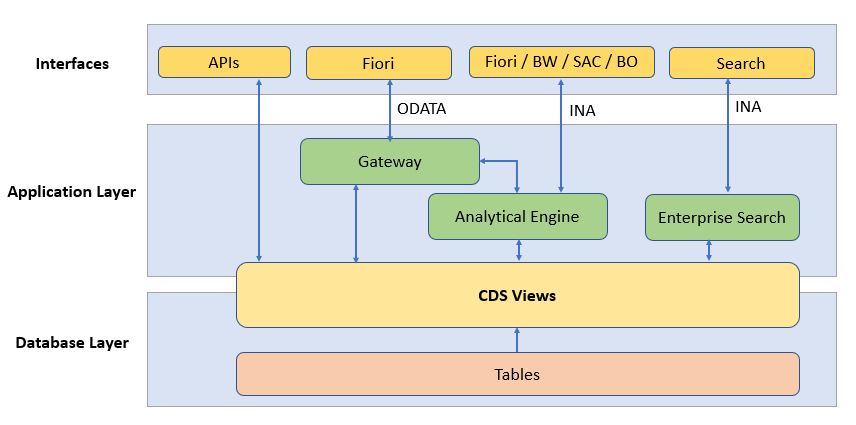
- Data Modeling (CDS Views)
- Core Data Services (CDS) define the structure of your data.
- Example: Defining a sales order entity with fields like order number, customer ID, and amount.
- Core Data Services (CDS) define the structure of your data.
- Business Logic (Behavior Definitions)
- Defines how users interact with data—create, update, delete, or custom actions.
- Example: Allowing users to approve or reject sales orders.
- Defines how users interact with data—create, update, delete, or custom actions.
- Service Exposure (OData Services)
- Makes the application available to external systems and Fiori apps via REST APIs.
- Example: Exposing sales order data so a Fiori app can display it in real time.
- Makes the application available to external systems and Fiori apps via REST APIs.
This layered approach ensures flexibility, scalability, and reusability—key traits of modern enterprise applications.
Best Practices for RAP in 2025
To make the most of RAP, here are some practical best practices:
- Design with the End User in Mind
- Always start from business needs. Ask: What problem will this app solve?
- Align with SAP Fiori design principles for intuitive interfaces.
- Always start from business needs. Ask: What problem will this app solve?
- Embrace Clean Core Principles
- Keep custom logic separate from SAP’s standard core.
- Use RAP extensibility options instead of modifying standard code.
- Keep custom logic separate from SAP’s standard core.
- Prioritize Performance
- Use CDS views efficiently—avoid unnecessary joins and calculations.
- Test performance early to ensure scalability in cloud environments.
- Use CDS views efficiently—avoid unnecessary joins and calculations.
- Secure by Design
- Implement role-based access from the start.
- Leverage RAP’s built-in authorization checks for sensitive data.
- Implement role-based access from the start.
- Think Cloud-First
- Even if you’re on-premise today, build apps that can easily move to the cloud tomorrow.
- Use RAP features designed for SAP BTP (Business Technology Platform).
- Even if you’re on-premise today, build apps that can easily move to the cloud tomorrow.
- Document & Automate
- Document your CDS models and behaviors for team collaboration.
- Use automation tools for testing and deployment to reduce errors.
- Document your CDS models and behaviors for team collaboration.
Real-World Applications
Here are some examples where RAP shines in action:
- Finance: Building Fiori apps that allow managers to approve invoices directly from their mobile devices.
- Sales: Developing a real-time sales order tracking app that integrates seamlessly with S/4HANA.
- Manufacturing: Creating apps for shop-floor supervisors to monitor machine performance and take immediate action.
- Public Sector: Delivering citizen-facing apps for government services, ensuring transparency and efficiency.
These applications highlight how RAP connects business goals with modern technology.
Industry Insights: RAP Adoption Trends
Market analysts predict that by 2025, RAP will become the standard for ABAP development. Some reasons:
- Growing demand for Fiori-based apps.
- Push for cloud-native development in SAP BTP.
- Need for faster innovation cycles in regulated industries.
Enterprises that adopt RAP now will have a head start in building apps that are future-ready, reducing technical debt and long-term costs.
Practical Tips for Beginners
If you’re just starting out with RAP, here are some tips to stay motivated:
- Start Small: Build a simple CRUD (Create, Read, Update, Delete) app first.
- Leverage Tutorials: Use SAP Learning Hub or community blogs for step-by-step guidance.
- Collaborate: Pair with experienced ABAP developers to learn best practices.
- Experiment: Don’t be afraid to try new RAP features—mistakes are part of the learning process.
Your Next Step
The future of ABAP development is RESTful, cloud-native, and user-focused. With RAP, you’re not just coding—you’re building applications that empower businesses to run better in the digital age.
If you’re a beginner, this is the perfect time to start. Learn the fundamentals, experiment with small projects, and gradually expand your expertise.
👉 [Explore our advanced RAP learning resources and ABAP courses today on our website]
Remember: The best way to prepare for the future is to start now. By mastering RAP in 2025, you’ll set yourself up for long-term success in SAP’s evolving ecosystem.
Visit Our more blog here:-
SAP Fiori: Boost Your Business With This Powerful ERP!